



Most Farmers Are Not Poor – They’re Invisible – Gifty Manye Hodey
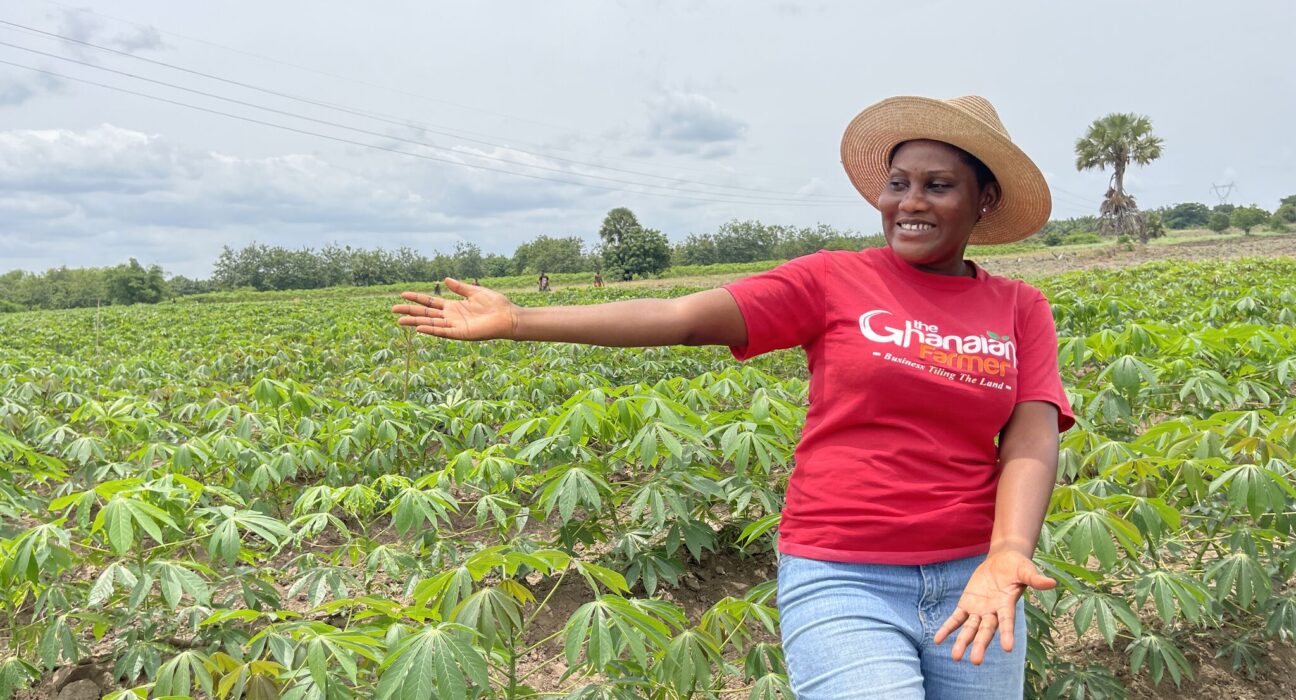
Award-winning journalist, TV host, and agripreneur Gifty Manye Hodey, popularly known as Enyonam the Ghanaian Farmer, is challenging long-held assumptions about poverty in agriculture, arguing that the real issue facing many farmers is not lack of income, but lack of visibility.
In a recent LinkedIn post, Hodey asserts that many farmers remain “invisible” by choice, avoiding formal structures such as business registration, branding, and digital presence, decisions she says ultimately limit growth and access to opportunities.
The Cost of Staying Invisible
According to Hodey, concerns about taxation often mask deeper issues.
“Every time I hear people say they don’t want to register their farm because of taxes or scrutiny, I already know the real problem is not taxes,” she notes. “It’s fear of structure, lack of long-term thinking, and comfort in staying small.”
She argues that avoiding formalisation does not protect farmers; it excludes them. While some farmers choose to remain informal, more structured agribusinesses are gaining access to larger buyers, investor funding, and export markets.
“You’re not avoiding taxes-you’re avoiding growth,” she emphasises.
Missed Opportunities in a Changing Market
Hodey highlights a growing gap between informal farmers and structured agribusinesses. As the sector evolves, opportunities are increasingly flowing toward businesses that are visible, organised, and market-ready.
From her perspective, many farmers miss out because they lack:
- Registered business identities
- Clear branding
- Online presence
- Strategic positioning
Without these, she argues, even productive farms struggle to attract serious investment or scale.
“If your farm has no proper name, is not registered, and has no brand or online presence, then it is not yet a business-it is just activity,” she states.
Production vs Visibility
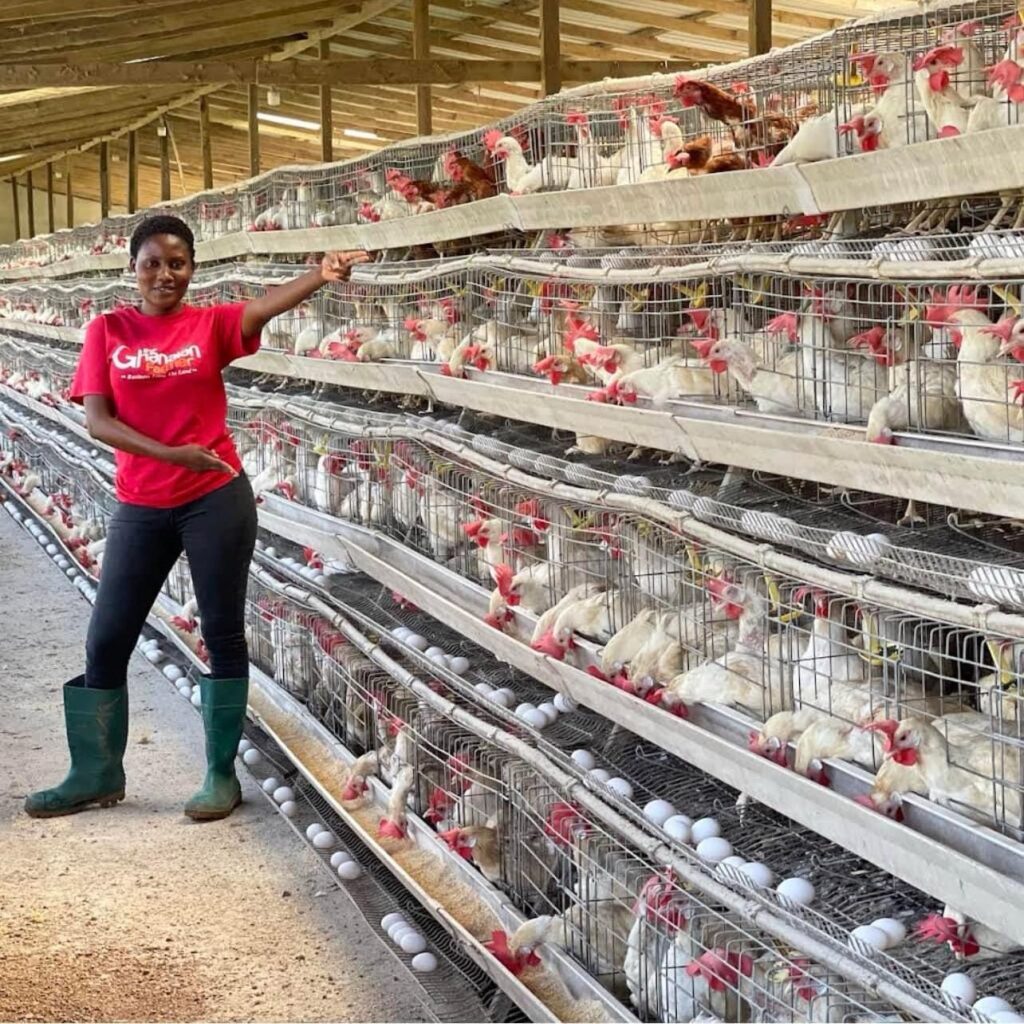
One of the most striking observations in Hodey’s argument is the imbalance between production and promotion. While farmers often invest heavily in land, inputs, and labour, many neglect visibility, an essential driver of modern business growth.
She points out that some farmers are reluctant to:
- Share their work publicly
- Promote their products
- Invest in marketing or communications
Yet, they expect customers and opportunities to find them.
This disconnect, she warns, is holding back not just individuals but the broader agricultural sector.
A Cycle That Risks Repeating
Hodey also raises concerns about a generational pattern, noting that younger farmers are beginning to adopt the same mindset of staying informal and invisible.
Without a shift, she suggests, this could perpetuate a cycle where agricultural potential remains underutilised despite growing market demand.
Visibility as a Growth Strategy
Drawing from her own experience, Hodey credits intentional visibility as a key driver of success. Through her platform, The Ghanaian Farmer TV, she has demonstrated how storytelling, branding, and consistent engagement can unlock growth.
“We show up, we build a brand, we stay visible, and we treat agriculture like a business,” she explains, adding that success in today’s agricultural landscape is less about luck and more about strategy.
A New Definition of Agricultural Success
Hodey concludes with a clear message: agriculture has evolved. It is no longer enough to produce. Farmers must also position themselves strategically.
In her words, visibility should not be seen as mere exposure, but as a powerful business tool.
“Visibility is not exposure. It is leverage.”
For stakeholders in Ghana’s agribusiness ecosystem, her message underscores a critical shift, one where structure, branding, and visibility are becoming just as important as production in determining success.